Why You May Need Both a Lawyer and a Counsellor During a Divorce
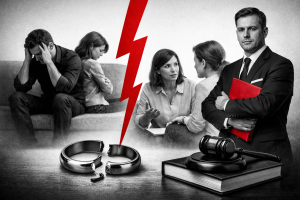
Divorce is rarely just a legal process. While it involves documents, negotiations, and court procedures, it is also one of the most emotionally challenging experiences a person can face. Many people focus on finding the right lawyer to protect their legal and financial interests, but underestimate the importance of addressing the emotional impact at the same time.
In reality, the strongest support often comes from two professionals working in parallel:
a lawyer to guide you through the legal issues, and a counsellor to help you cope with the emotional strain.
Legal Issues and Emotional Issues Are Closely Connected
A divorce can trigger intense emotional responses such as:
-
Panic and fear about the future
-
Anxiety over children, finances, or court outcomes
-
Anger, grief, or feelings of betrayal
These emotions don’t stay neatly separated from the legal process. Emotional distress can affect decision-making, communication with your lawyer, and even how you present yourself during negotiations or court proceedings.
A lawyer focuses on protecting your rights, assets, and legal position. A counsellor helps you process the emotional turmoil so that you can approach legal decisions with greater clarity and stability.
The Advantages of Having a Lawyer and Counsellor Hand in Hand
When legal and emotional support work together, clients often experience:
-
Better decision-making under pressure
-
Clearer communication with legal counsel
-
Reduced conflict during negotiations
-
Greater emotional resilience throughout the process
Your lawyer can focus on strategy, evidence, and outcomes, while a counsellor helps you manage stress, anxiety, and emotional reactions that could otherwise complicate the case.
This combined approach can be especially valuable in high-conflict divorces or cases involving children, where emotional reactions can significantly influence long-term outcomes.
Comfort Levels Differ — and That’s Normal
Some people feel more comfortable speaking to a lawyer but hesitate to see a counsellor. Others may open up easily to a counsellor but feel intimidated by legal professionals.
Both reactions are completely normal.
However, relying on only one form of support may leave important needs unmet. A lawyer is not trained to provide emotional therapy, just as a counsellor cannot give legal advice. Recognising the limits of each role allows you to get the right help at the right time.
Do Not Underestimate the Emotional Impact of Divorce
Divorce is often described as one of life’s most stressful events — comparable to bereavement or serious illness. Ignoring emotional distress can lead to:
-
Prolonged anxiety or depression
-
Burnout during lengthy legal proceedings
-
Decisions driven by anger or fear rather than long-term interests
Addressing emotional health early can make the entire legal process more manageable and less overwhelming.
Financial Security Should Not Come at the Cost of Emotional Healing
Protecting your financial future is important, but it should not overshadow emotional well-being. Clients who focus solely on financial outcomes sometimes find themselves emotionally exhausted, even after a “successful” legal result.
Emotional healing is not a luxury — it is a foundation for rebuilding life after divorce. With proper emotional support, clients are better equipped to move forward with confidence, clarity, and peace of mind.
A Holistic Approach to Divorce Support
At its core, divorce requires both legal strength and emotional care. Seeking help from a lawyer and a counsellor is not a sign of weakness — it is a proactive and balanced approach to one of life’s most difficult transitions. During a divorce, emotional support is just as important as legal guidance. We provide a private, dedicated counselling room to ensure a safe and comfortable space for clients to process their feelings with dignity and confidentiality. Our firm works closely with experienced, professional counsellors who offer compassionate support to help you cope with stress, anxiety, and the emotional challenges of separation. This holistic approach ensures that you are supported not only legally but also emotionally throughout every stage of the divorce process.
By addressing both the legal and emotional dimensions of divorce, you give yourself the best chance of achieving not only a fair legal outcome, but also long-term personal recovery.